
What reduces perineal tearing in birth?
by Liz Brown
Liz is an experienced physio, antenatal educator and lecturer for UWE midwives on how to avoid birth trauma and protect our pelvic floor.
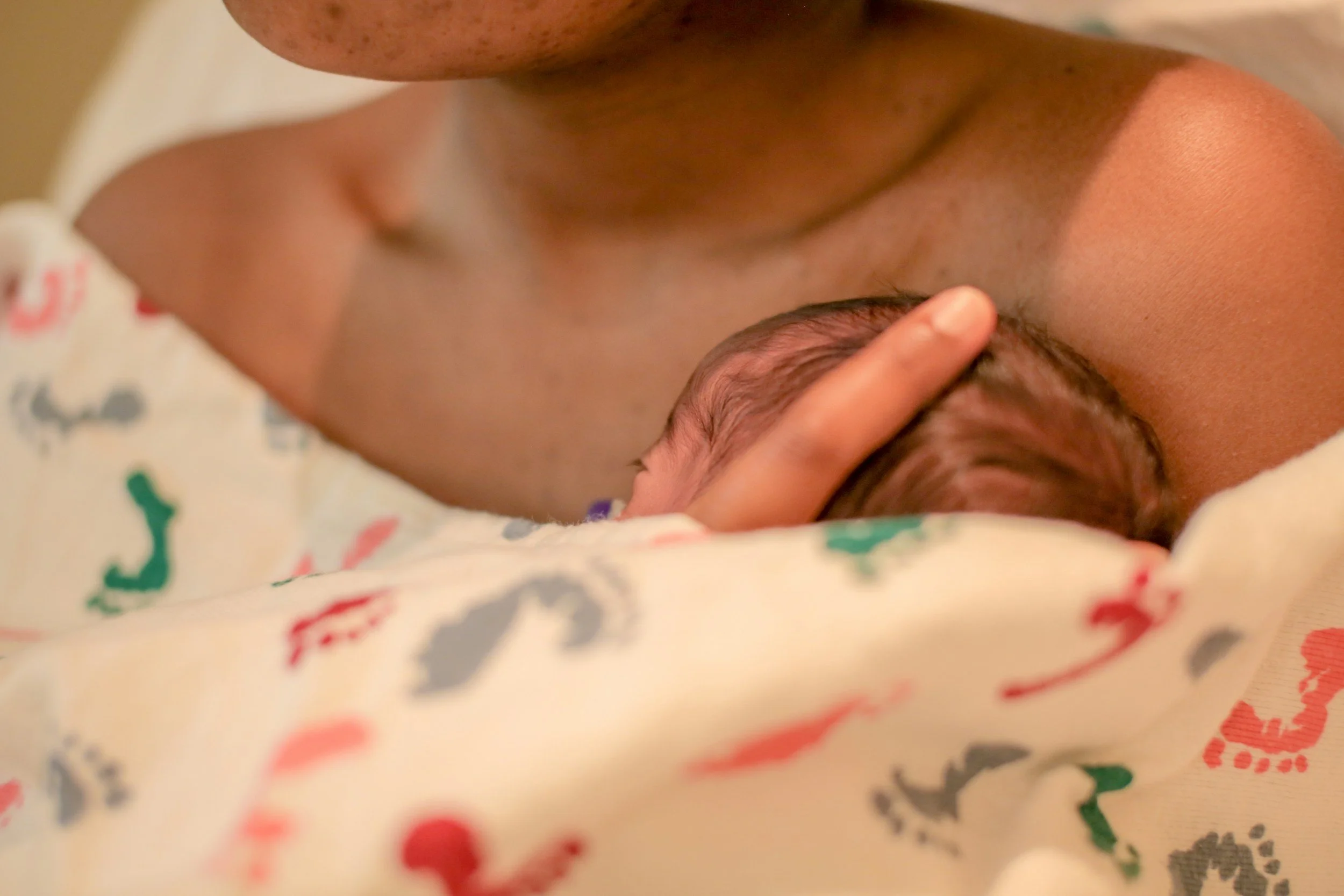
Image: snug baby getting skin to skin with mother
What really reduces perineal tearing in birth, and why pressure matters more than you think…
Perineal tearing is often framed as an unavoidable part of vaginal birth. Is it down to luck, genes or anatomy? Research over the past decade has shown us that how birth is managed matters, especially in the final moments.
““4 in every 100 women who give birth vaginally in the UK experience a severe perineal tear””
Around 4 in every 100 women who give birth vaginally in the UK experience a severe perineal tear, involving the anal sphincter. Many more experience first- or second-degree tears, which can still lead to pain, sexual difficulties, bladder or bowel symptoms, and psychological distress. Despite this, public advice and advertising on how to reduce tearing risk often focuses on myths or unnecessary products, rather than evidence.
Speed and pressure are the real drivers

Image: rocket being pushed up into space
One of the strongest contributors to perineal trauma is how quickly and forcefully the baby’s head is born.
Rapid crowning, sustained breath-holding pushes, and being pressured to push before the body feels ready all increase strain on the perineum. From a biomechanical point of view, tissues are more likely to tear when they are loaded quickly and under pressure, rather than when they are given time to adapt.
This helps explain why routine coached pushing (which often involves holding the breath and pushing hard for long counts) has fallen out of favour. Studies comparing coached pushing vs spontaneous, urge-led pushing show higher rates of perineal trauma and episiotomy with routine coaching, without clear benefit for babies in uncomplicated births.
As a result, UK and international guidance now supports following the body’s natural urge to push, rather than directing pushing by default (via valsalva or breath holding).
What actually helps protect the perineum?
There is no single technique that guarantees a tear-free birth. But some approaches are better supported by evidence than others.
One of the most consistent findings is the benefit of warm compresses applied to the perineum during the second stage of labour. High-quality reviews show this reduces the risk of severe tears and improves comfort, with little downside.
Antenatal perineal massage, started from around 35 weeks of pregnancy, also has moderate evidence behind it, particularly for first-time mothers. Research suggests it can reduce episiotomy rates and severe trauma, although it does not eliminate tearing altogether.
What about hands-on perineal support by a midwife? The evidence here is more mixed. Large reviews show no clear advantage of “hands-on” over “hands-off” approaches when used alone. Where benefit appears more likely is when perineal support is used as part of a bundle of care; alongside warm compresses, slow crowning, and good communication.
In other words, it’s not about a single manoeuvre. Conditions matter more than techniques in isolation.
Why feeling pressured can increase risk
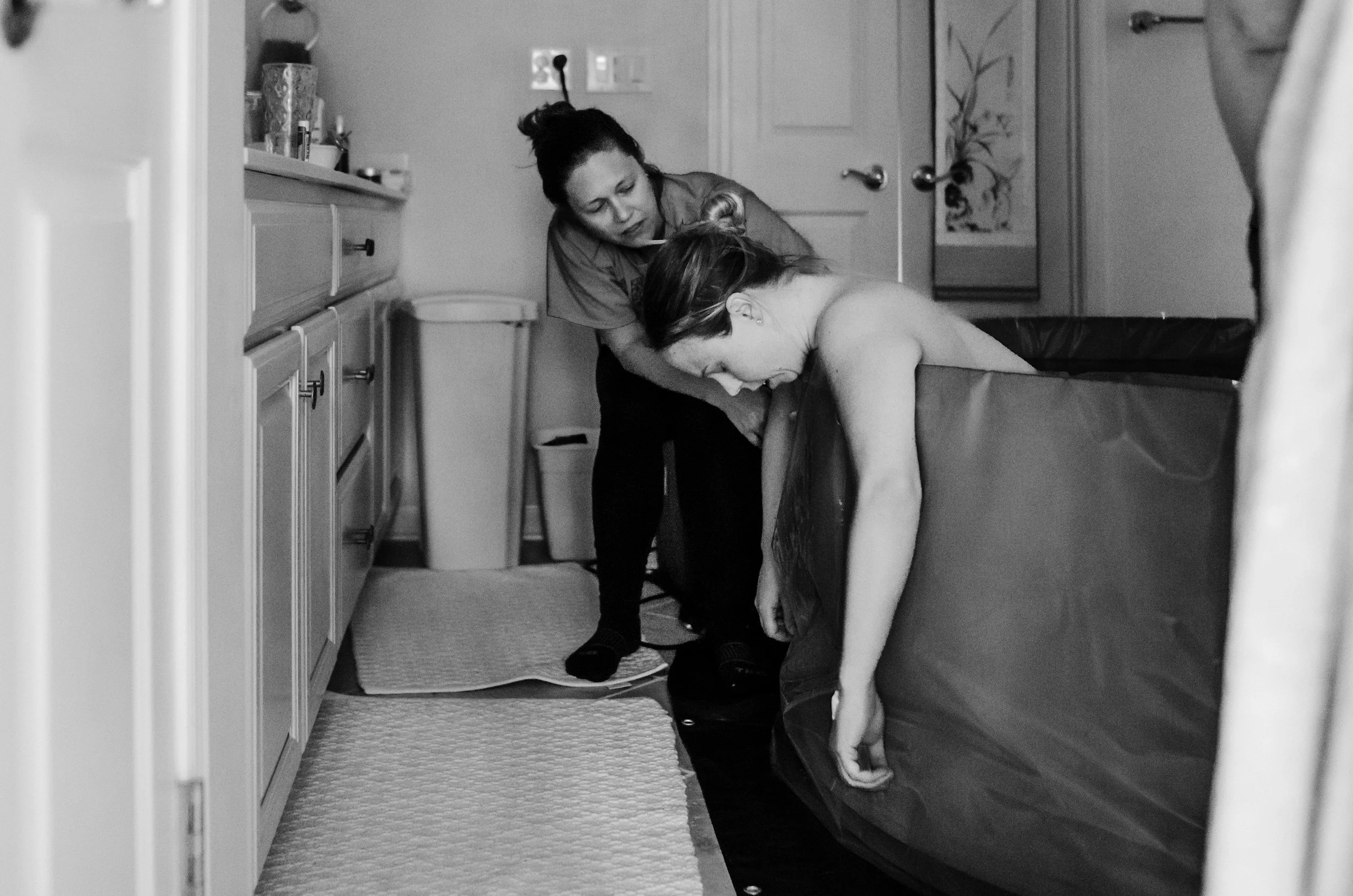
Image: mother taking a rest in a birthing pool
There is no study showing that privacy or autonomy directly prevents perineal tears. But there is strong physiological and observational evidence that stress and pressure change how the body behaves in labour.
If feeling rushed, observed, or pressured to push, you’re more likely to push forcefully, hold your breath, or lose the ability to slow down as the baby’s head crowns. These factors increase the likelihood of tearing and of interventions such as instrumental birth, which is one of the strongest predictors of severe perineal trauma.
Supporting women to feel in control of decisions, to push when it feels right, and to slow or pause at crowning helps optimise conditions that are known to reduce tearing risk.
This isn’t about creating a “perfect” birth environment. It’s about avoiding unnecessary pressure at the moment when you need time.
Why the nervous system and pelvic floor matter
The pelvic floor does not “let go” or create space for baby in isolation. It responds directly to the nervous system.
When someone feels safe, supported, and able to follow their body’s cues, the pelvic floor is more likely to soften and lengthen as the baby descends. When someone feels stressed, observed, or pressured, the nervous system shifts into a protective state. This can increase pelvic floor tension, reduce space and make things more difficult for baby to move down and to the outside world.
This matters, because a pelvic floor that is holding tension is less able to adapt to stretch. Forceful pushing against resistance increases strain on the perineum and raises the likelihood of tearing or intervention.
Supporting relaxation does not mean being passive. It means allowing spontaneous pushing, using breath rather than breath holding, allowing space for the sacrum and pelvis to move, and creating an environment where slowing down at crowning is possible if needed. These factors help reduce sudden pressure on the perineum and support more controlled birth.
This is one reason why approaches that prioritise calm communication, consent, and following the body’s urge to push are increasingly recognised as important for pelvic floor protection.
Baby size and perineal tearing
Baby size (>4kg) can play a role in perineal tearing risk. Larger babies place greater stretch and pressure on the perineum, particularly as the head and shoulders are born. Research consistently shows that higher birthweight is associated with an increased risk of more severe perineal tears, but it is often very difficult to accurately predict the size of your baby.
Tearing isn’t inevitable with a larger baby. Size interacts with how birth is supported. When crowning is rapid or pushing is forceful, the perineum has less time to adapt to the increased stretch. When birth is slower and more controlled, tissues are better able to accommodate the load.
This is why strategies such as avoiding unnecessary pressure to push, slowing down at crowning, and using warmth and skilled support are especially important when a larger baby is anticipated.
Importantly, estimating baby size before birth is imprecise. Many people told they are carrying a “big baby” go on to have straightforward births. Focusing on supporting the conditions of birth, rather than the number on a scan, is often more helpful for reducing risk.
A more honest conversation
Perineal tears are not simply bad luck; there’s a lot we can do to be proactive to prevent them. Tearing risk is influenced by speed, pressure, and the way birth is supported.
Warmth, time, communication, and avoiding unnecessary force appear to matter more than expensive gadgets, or high pressure pushing. For a maternity system focused on safety and long-term outcomes, listening to both the evidence and women’s bodies may be one of the most effective interventions available.
Did you know we offer Birth Preparation sessions with our physiotherapists? Book here.
If you’ve been affected by a severe perineal tear, there MASIC Foundation are a brilliant resource, on top of pelvic physiotherapy.
Copyright content - please contact liz@almaphysiotherapy.co.uk directly if you’d like to use these words for an article.