
Every Woman’s Health Matters: The Symptoms We Should Not Have to Put Up With
There are some symptoms women are remarkably good at putting up with.
Leaking when you exercise.
Needing to rush to the toilet.
Feeling pressure or heaviness in your pelvis.
Pain during sex.
Pelvic pain.
Back or hip pain after pregnancy.
Changes to your bladder or bowel habits during menopause.
Sometimes these symptoms are dismissed as something that is simply part of being a woman.
But there is a difference between something being common and something that you have to accept.
At Alma Physio Wellness, we believe women deserve to understand what is happening in their bodies and know when support is available.

Common does not mean you have to live with it
Pelvic floor dysfunction can affect women at different stages of life.
Pregnancy and birth can place significant demands on the pelvic floor and surrounding tissues.
Menopause can bring hormonal changes that affect the urinary and genital tissues.
Pelvic pain conditions can affect movement, exercise, relationships and everyday life.
And symptoms can occur at the same time.
The pelvic floor does not work in isolation. It works alongside the abdominal muscles, diaphragm, spine, hips and other structures involved in movement and pressure management.
This is one reason why women’s health physiotherapy is about much more than simply strengthening the pelvic floor.
Leaking urine is common, but help is available
Urinary leakage can happen when you cough, sneeze, run, jump or exercise.
Some women experience a strong sudden urge to urinate. Others experience a combination of urgency and leakage.
Whatever the pattern, urinary symptoms can affect confidence and quality of life.
Pelvic floor muscle training is an established first line treatment for stress urinary incontinence and mixed urinary incontinence. Current European guidance recommends supervised pelvic floor muscle training as first line treatment and highlights the additional benefits of supervised programmes.
But pelvic floor rehabilitation is not simply about being told to squeeze your muscles.
A physiotherapist can assess your ability to contract and relax the pelvic floor and tailor treatment to your symptoms, goals and individual needs.
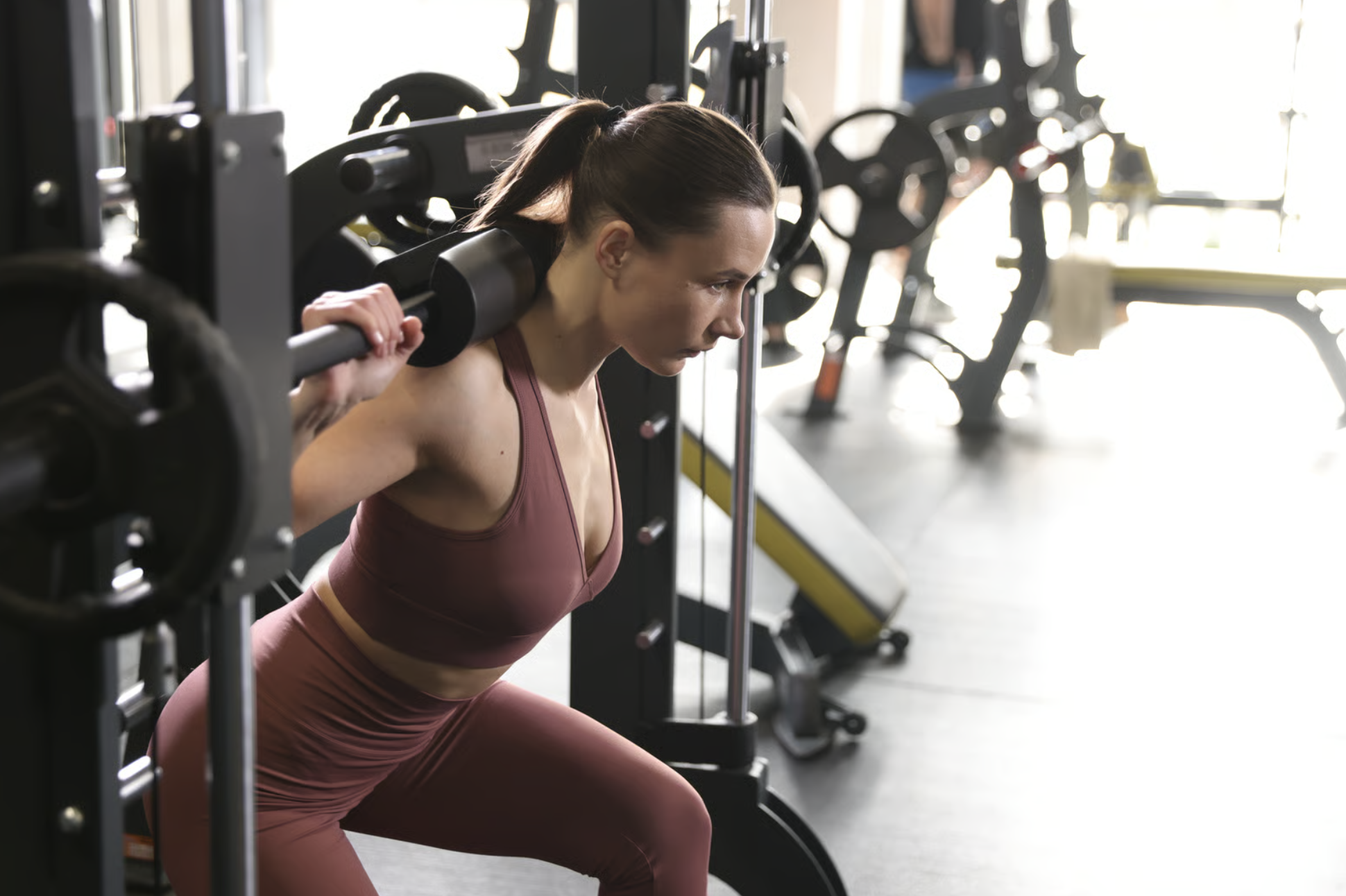
A prolapse does not automatically mean giving up exercise
Pelvic organ prolapse can cause symptoms such as heaviness, pressure, a feeling of a bulge, bladder symptoms or bowel difficulties.
It can understandably make women nervous about exercise.
But a diagnosis of prolapse does not automatically mean that you need to stop moving.
Management depends on your symptoms, the type and severity of the prolapse and what matters to you.
Pelvic floor muscle training can be part of conservative management for appropriate women, while other options can include lifestyle strategies, pessaries and, when appropriate, surgery.
A physiotherapist can help you understand your symptoms, assess pelvic floor function and develop a progressive exercise plan that works towards the activities you want to return to.
The aim is not to create a list of things you are no longer allowed to do.
It is to help you understand your body and build confidence in what you can do.
Pain during sex deserves to be taken seriously
Pain during sex is not something you should feel embarrassed about.
It can have many different causes, including pelvic floor muscle dysfunction, hormonal changes, pelvic pain conditions, previous surgery and changes affecting the vaginal or vulval tissues.
The right treatment depends on the underlying cause.
For some women, pelvic health physiotherapy may form part of a wider treatment approach, particularly when pelvic floor muscle function or musculoskeletal factors are contributing to symptoms.
The important first step is finding out what may be contributing to your pain rather than simply trying to push through it.
Menopause is a pelvic health issue too
Menopause is often associated with hot flushes and changes to periods, but the effects can be much broader.
Hormonal changes can affect the tissues of the vagina and urinary system, and some women experience vaginal dryness, discomfort, urinary symptoms or changes in sexual function.
Pelvic floor symptoms can also become more noticeable during and after the menopause.
Current NICE guidance recommends an individualised approach to menopause care and includes specific recommendations for genitourinary symptoms associated with menopause.
There are a number of treatment options available, depending on your symptoms and circumstances.
For some women, this may include vaginal oestrogen or other medical treatments. Physiotherapy may also have a role where pelvic floor, bladder, bowel, pain or musculoskeletal symptoms are present.
Your pelvic floor does not always need to be stronger
This is one of the biggest misconceptions about pelvic health.
The pelvic floor needs to be able to contract when required, but it also needs to relax.
For some women, weakness is part of the problem.
For others, the muscles may be overactive, painful or difficult to relax.
This can be particularly important when pelvic pain is present.
So if you have pelvic symptoms, doing more and more pelvic floor squeezes is not necessarily the answer.
The right exercise depends on what your body actually needs.
Your symptoms are worth talking about
You do not need to wait until your symptoms become severe before asking for help.
You do not have to accept leaking as the inevitable result of having children.
You do not have to stop exercising because you have a prolapse.
You do not have to put up with painful sex.
You do not have to assume pelvic pain is something you simply have to live with.
And you do not have to navigate changes during pregnancy, after birth or through menopause without support.
Being common does not make a symptom unimportant.
How Alma can help
At Alma, we take a personalised approach to women’s health physiotherapy.
We look at your symptoms in the context of your whole body, your lifestyle and the things that matter to you.
Depending on your needs, physiotherapy may help with pelvic floor dysfunction, bladder and bowel symptoms, prolapse, pelvic pain, pregnancy and postnatal changes, menopause related symptoms and musculoskeletal problems.
Your assessment is an opportunity to ask questions, understand what may be contributing to your symptoms and develop a plan that is appropriate for you.
Because women’s health is not one size fits all.
And neither should your treatment be.

References
National Institute for Health and Care Excellence. Menopause: identification and management. NICE guideline NG23. Updated 2026.
European Association of Urology. Guidelines on Non Neurogenic Female Lower Urinary Tract Symptoms. 2026.
Brown C, Rantell A, Anders K, et al. UK Clinical Guideline for Best Practice in the Use of Vaginal Pessaries for Pelvic Organ Prolapse. Neurourology and Urodynamics. 2026;45:1113 to 1151.
Royal College of Obstetricians and Gynaecologists. Pelvic Floor Health Position Statement. 2026.
National Institute for Health and Care Excellence. Pelvic floor dysfunction: prevention and non surgical management. NICE guideline NG210.
National Institute for Health and Care Excellence. Urinary incontinence and pelvic organ prolapse in women: management. NICE guideline NG123.