
PMOS: What Is It and What Does It Mean for Your Health?
If you have previously been diagnosed with polycystic ovary syndrome, you may have started seeing a new term being used: polyendocrine metabolic ovarian syndrome, or PMOS.
In 2026, an international consensus process formally renamed polycystic ovary syndrome, previously known as PCOS, as polyendocrine metabolic ovarian syndrome, or PMOS. The change followed an extensive international process involving healthcare professionals, researchers and people with lived experience.
But what does the new name mean, and does anything actually change for you?
What is PMOS?
PMOS is a common endocrine and metabolic condition that can affect many aspects of health.
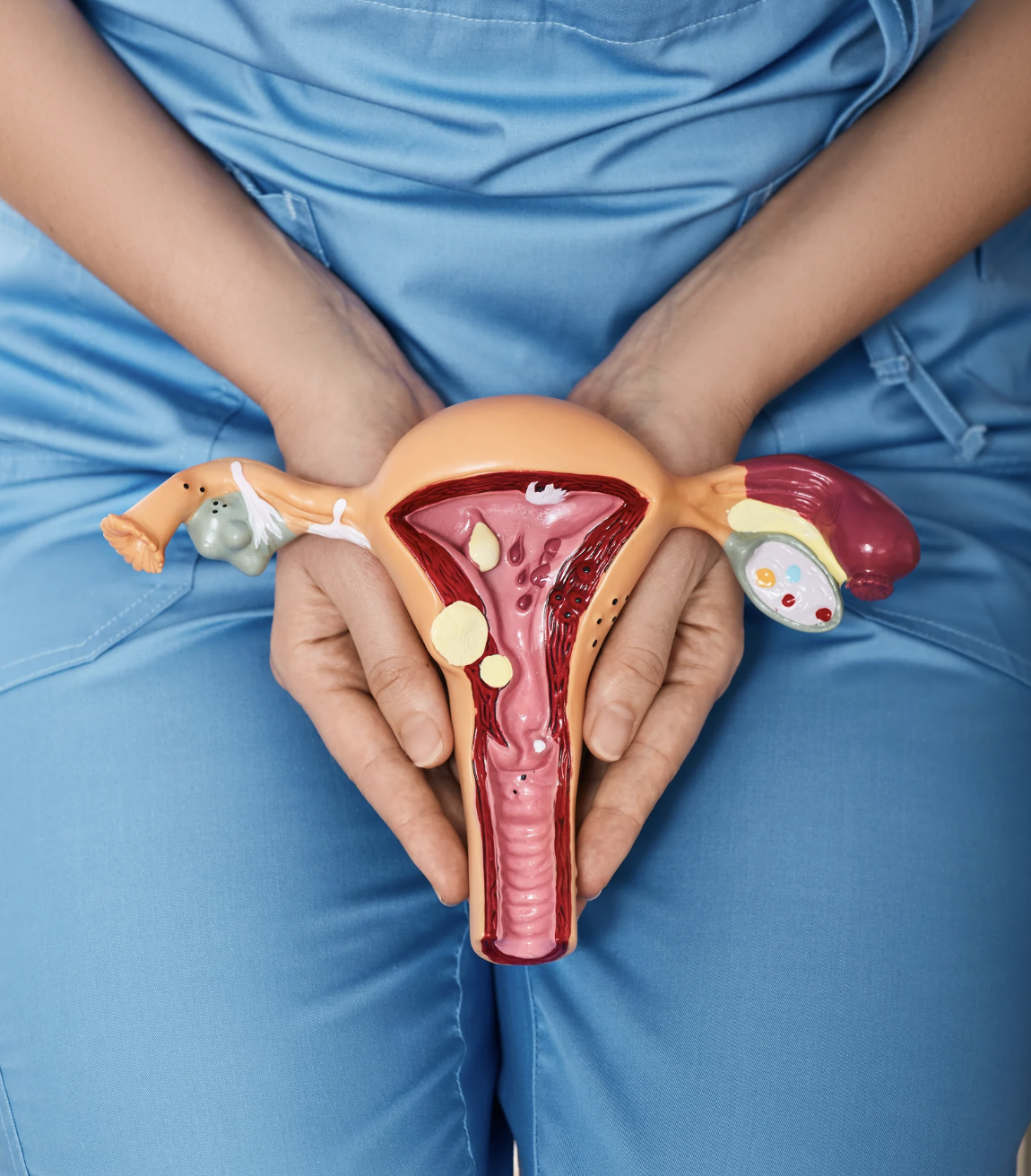
Despite the previous name, having cysts on the ovaries is not what defines the condition. PMOS is associated with hormonal and metabolic changes and can affect menstrual cycles, ovulation, fertility, skin and hair, weight regulation and longer term metabolic health.
The new name is intended to better reflect this wider picture.
The international guideline estimates that PMOS affects around one in eight women of reproductive age, making it one of the most common endocrine conditions affecting women.
Why has PCOS been renamed?
The name PCOS has been used for decades, but it has never accurately described the whole condition.
The word polycystic can suggest that ovarian cysts are the central problem. In reality, ovarian morphology is only one potential feature and is not required for everyone to have the condition.
The old terminology also did not adequately reflect the endocrine and metabolic aspects of the condition.
The new name is designed to communicate that PMOS is a whole body condition rather than simply an ovarian problem.
If you have previously been diagnosed with PCOS, you have not suddenly developed a different condition. PMOS is the new terminology for the condition you already know as PCOS.
You may continue to see both terms used while healthcare services, research and public information transition to the new terminology.
What symptoms can PMOS cause?
PMOS can look very different from one person to another.
Some people experience irregular periods or problems with ovulation. Others may experience increased facial or body hair, acne or scalp hair thinning.
PMOS can also be associated with insulin resistance and other metabolic risk factors.
Importantly, the condition is also associated with broader aspects of health, including cardiovascular risk, psychological wellbeing, sleep and quality of life. The international guideline therefore recommends an individualised approach rather than focusing on one symptom in isolation.
Can exercise help?
Exercise is an important part of managing PMOS.
The updated international guideline recommends healthy lifestyle behaviours for everyone with PMOS, whether or not weight loss is a goal.
Physical activity can support cardiovascular health, metabolic health, physical fitness and quality of life. Importantly, the benefits of being physically active are not dependent on losing weight.
There is no single exercise programme that everyone with PMOS needs to follow.
Your activity should reflect your health, preferences, symptoms, experience and goals.
That might mean resistance training, walking, running, swimming, cycling, Pilates or a combination of different activities.
The most useful exercise is often the exercise you can maintain consistently and that makes sense for your life.

Where does physiotherapy fit in?
Physiotherapy does not treat PMOS itself, but it can support some of the physical symptoms and health concerns that may occur alongside the condition.
At Alma, we take a whole person approach.
This means looking at how your strength, movement, pelvic health, pain, exercise habits and everyday activities interact.
Some women with PMOS may also experience pelvic pain, bladder symptoms, bowel symptoms or difficulties with exercise and movement.
These symptoms deserve to be assessed separately rather than automatically being attributed to PMOS.
Pelvic health physiotherapy can assess the function of the pelvic floor muscles and how they work with the abdomen, hips, spine and breathing system.
Treatment may include education, exercise, pelvic floor rehabilitation, movement retraining and strategies to manage symptoms.
It is also important to remember that pelvic floor problems are not always caused by weakness.
Depending on the person and the condition, pelvic floor muscles may be weak, overactive, painful or difficult to relax. This is why an individual assessment is more useful than simply being told to do pelvic floor exercises.
What about fertility?
PMOS can affect ovulation and therefore fertility for some women.
However, a diagnosis does not mean that pregnancy is impossible.
There are established medical treatments available for people who experience difficulties conceiving as a result of anovulation associated with PMOS, and fertility management should be individualised.
If you are trying to conceive and have irregular or absent periods, it is worth seeking advice rather than simply waiting for your cycles to regulate themselves.
Looking beyond the diagnosis
One of the most important developments in PMOS care is the recognition that the condition needs to be considered across a person’s whole health rather than simply in relation to periods or fertility.
Your symptoms, metabolic health, mental wellbeing, sleep, exercise, reproductive goals and quality of life can all be relevant.
You should also be able to ask questions and receive information that makes sense to you.
At Alma,, we believe understanding your body is an important part of feeling confident about your health.
If you are experiencing pelvic pain, bladder or bowel symptoms, difficulty exercising, pain with movement or other physical symptoms alongside PMOS, a physiotherapy assessment may be appropriate.
The name may have changed, but the most important thing has not.
You deserve care that looks at the whole picture.

References
Teede HJ, Bahri Khomami M, Morman R, et al. Polyendocrine metabolic ovarian syndrome, the new name for polycystic ovary syndrome: a multistep global consensus process. The Lancet. 2026;407:2329 to 2339.
International Evidence Based Guideline for the Assessment and Management of Polyendocrine Metabolic Ovarian Syndrome. Monash University. 2026.
Teede HJ, Tay CT, Laven JJE, et al. Recommendations from the 2023 International Evidence Based Guideline for the Assessment and Management of Polycystic Ovary Syndrome. Human Reproduction. 2023;38:1655 to 1676.