
OASI: What Everyone Should Know About Recovery After a 3rd or 4th Degree Tear
Giving birth places significant demands on the pelvic floor, abdominal wall, and surrounding tissues. While many tears heal well with appropriate care, some people experience a more severe injury known as an Obstetric Anal Sphincter Injury (OASI).
If you've been told you had a 3rd or 4th degree tear, you may have left hospital feeling unsure about what this means for your recovery, future exercise, bowel function, or long-term pelvic health.
The good news? Recovery is possible, and specialist pelvic health physiotherapy can play an important role in helping you understand your body and regain confidence.

What is an OASI?
An Obstetric Anal Sphincter Injury (OASI) occurs when a vaginal tear extends into the muscles responsible for bowel control.
These injuries are classified as:
3rd Degree Tear
The tear extends into the anal sphincter muscles.
4th Degree Tear
The tear extends through the anal sphincter and into the lining of the bowel.
OASI is considered a significant birth injury and affects approximately 3–6% of first vaginal births in the UK, although rates vary depending on individual circumstances and mode of birth.
Is OASI Preventable?
This is a question many people ask after experiencing birth.
The honest answer is that not all OASI injuries can be prevented.
Research suggests that some risk factors can be modified during labour and birth, while others cannot. Factors such as baby's size and position, first vaginal birth, instrumental delivery, and the speed of birth may all influence risk.
Importantly, experiencing an OASI is not your fault.
Even with excellent maternity care, some tears still occur.
Why Follow-Up Matters
Many people are told that their tear has been repaired and that things should improve with time.
Healing is important, but recovery involves more than tissue repair.
Research has shown that some people continue to experience symptoms months or even years after an OASI.
A large systematic review found that up to 50% of women reported symptoms of anal incontinence following an OASI.
These symptoms may include:
Difficulty controlling wind
Bowel urgency
Leakage of stool
Reduced confidence when exercising
Anxiety about being away from a toilet
Not everyone will experience these symptoms, but understanding your recovery early can help identify any concerns and guide appropriate treatment.
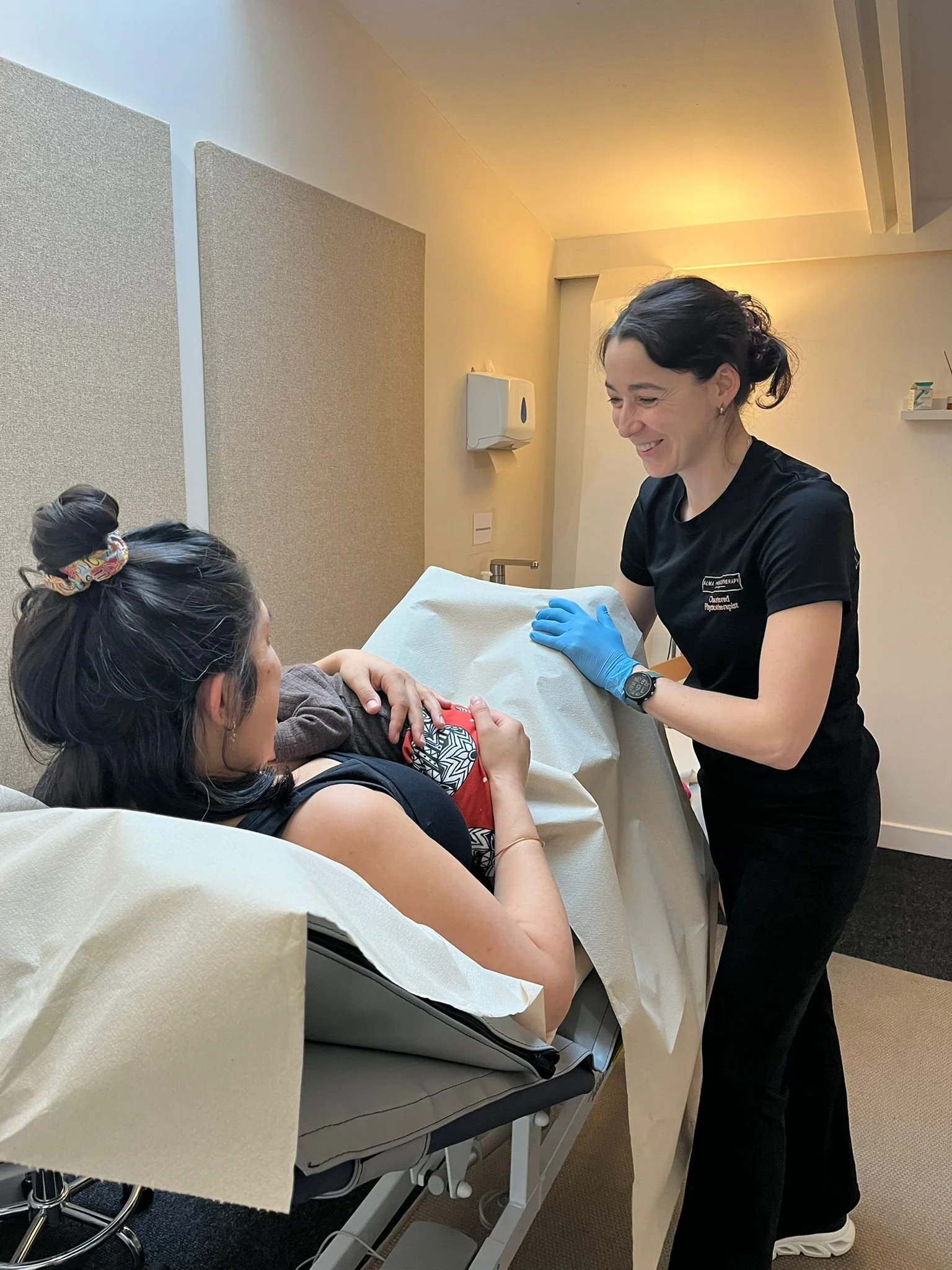
What Does Pelvic Health Physiotherapy Involve?
Pelvic health physiotherapy after an OASI is about much more than being told to "do your pelvic floor exercises."
A specialist assessment may include:
Pelvic Floor Assessment
Understanding how well your pelvic floor muscles can contract, relax, and coordinate with breathing and movement.
Scar Assessment
Checking how the repaired tissues are healing and identifying any areas of sensitivity, tightness, discomfort, or altered sensation.
Bowel Symptom Management
Discussing urgency, leakage, bowel habits, stool consistency, and strategies to support healthy bowel function.
Return to Exercise Guidance
Helping you safely progress back to the activities you enjoy, whether that is walking, strength training, running, yoga, lifting weights, or caring for your family.
Individualised Rehabilitation
No two births are the same. Your rehabilitation should reflect your symptoms, goals, lifestyle, and stage of recovery.
Can I Exercise After an OASI?
Absolutely.
Many people worry that exercise may make symptoms worse or affect healing. In reality, avoiding movement completely is rarely the answer.
Recovery is often about:
Building strength gradually
Improving pressure management
Restoring pelvic floor function
Addressing symptoms early
Progressing activity appropriately
The right rehabilitation plan should help you return to the activities that matter to you with confidence.

When Should I Seek Help?
You may benefit from a pelvic health physiotherapy assessment if you are experiencing:
Difficulty controlling wind
Bowel urgency
Leakage
Pelvic heaviness
Pain
Concerns about your recovery
Uncertainty about returning to exercise
You do not need to wait until symptoms become severe.
Early assessment can help identify issues before they become more problematic and provide reassurance when recovery is progressing well.
Recovery Is About More Than Healing
For some people, recovering from an OASI may sit alongside processing a difficult birth experience, birth trauma, neonatal complications, or the loss of a baby.
Pelvic health support should never make assumptions about your experience or what recovery looks like for you.
Wherever you are in your journey, your symptoms, concerns, and goals deserve to be heard.
The Bottom Line
A 3rd or 4th degree tear is a significant birth injury, but it does not mean you have to live with symptoms indefinitely.
Recovery is about more than healing stitches. It is about restoring confidence, function, movement, and understanding how your body is recovering.
At Alma Physiotherapy, our specialist pelvic health physiotherapists assess pelvic floor function, bowel symptoms, scar healing, and return-to-exercise goals to help guide your recovery with evidence-based care.
Whether your birth was recent or many years ago, support is available.
If you've experienced an OASI and would like support, we're here to help.
Book a Physio Birth Prep or Postnatal Physiotherapy Appointment or a free 10-minute discovery call via our website.