
Prolapse Doesn't Mean You Have to Stop Exercising
One of the most common things we hear in clinic is:
"I've been told I have a prolapse. Does that mean I need to stop exercising?"
The short answer? No!
A prolapse diagnosis can feel worrying, particularly if you enjoy running, strength training, fitness classes, hiking, or simply keeping active. Many women fear they'll have to give up the activities they love.
The good news is that for most people with a mild or moderate prolapse, exercise can and should remain part of their life.
First of all – prolapse is incredibly common
A pelvic organ prolapse occurs when one or more of the pelvic organs (such as the bladder, uterus, or bowel) move downwards and create a feeling of heaviness, pressure, or bulging within the vagina.
While it can feel isolating, prolapse is extremely common. Research suggests that up to 50% of women may have some degree of prolapse on examination, although not everyone experiences symptoms. Women who have had children are particularly likely to develop some level of pelvic organ support change during their lifetime.
In many cases, a prolapse is mild and can be successfully managed with conservative treatment.
Movement is medicine
Historically, women were often advised to avoid exercise, lifting, and physical activity following a prolapse diagnosis.
Thankfully, our understanding has moved on.
Exercise provides enormous benefits for physical and mental health, bone density, cardiovascular fitness, strength, confidence, and long-term wellbeing. Avoiding movement altogether can often create more problems than it solves.
Instead of stopping exercise, the aim is usually to find the right type and intensity of exercise for your body at this moment in time.
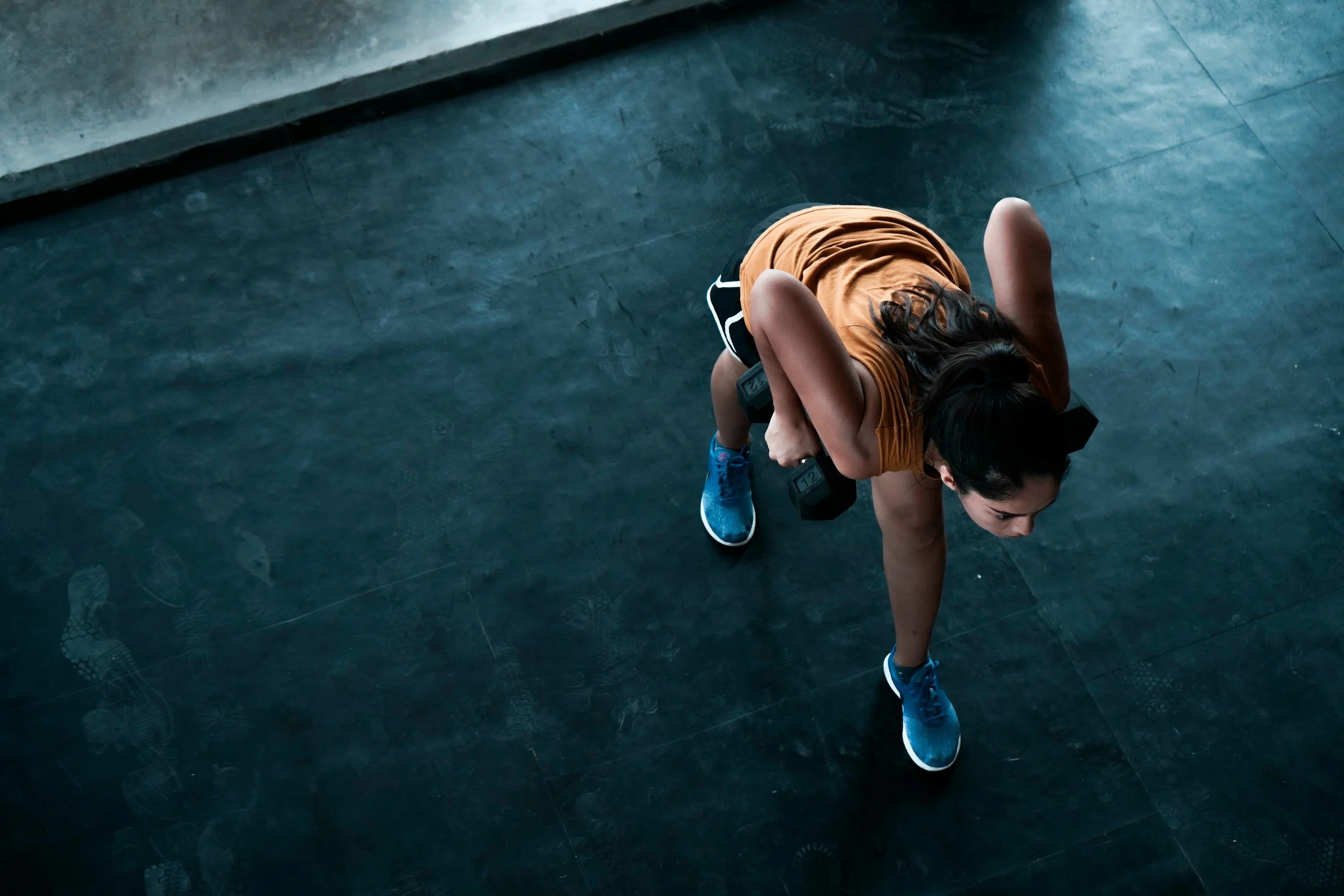
What exercise can I do with a prolapse?
For many women with a mild or moderate prolapse, activities such as:
Walking
Strength training
Pilates
Yoga
Cycling
Swimming
Cross training
Running (depending on your prolapse level)
can all be appropriate.
The key question isn't usually "Can I exercise?"
It's:
"How does my body respond to this exercise?"
A well-managed prolapse often tolerates much more activity than many women expect.
Symptoms are your guide
When exercising, we encourage women to monitor for symptoms such as:
Vaginal heaviness
A dragging sensation
Increased pressure
A feeling of bulging
New bladder or bowel symptoms
If symptoms significantly increase during or after exercise, this doesn't necessarily mean you've caused damage. More often, it's your body telling you that some modification may be helpful.
That could involve:
Adjusting breathing technique
Modifying load
Reducing impact temporarily
Improving pelvic floor coordination
Building overall strength progressively
Research suggests that managing pressure through breathing and movement strategies can be particularly important during exercise and lifting.

What about lifting weights?
This is probably the question we get asked most often.
Many women are told that weight lifting causes prolapse or that they should never lift heavy weights again.
The reality is much more nuanced.
Current research doesn't show a simple relationship between lifting weights and prolapse symptoms. In fact, some studies have found that women who regularly lift heavier weights do not necessarily experience more prolapse symptoms than others.
What matters is:
Technique
Breathing strategy
Load management
Symptom response
Individual pelvic floor function
Rather than avoiding strength training completely, many women benefit from learning how to lift in a way that supports their pelvic floor and overall function.
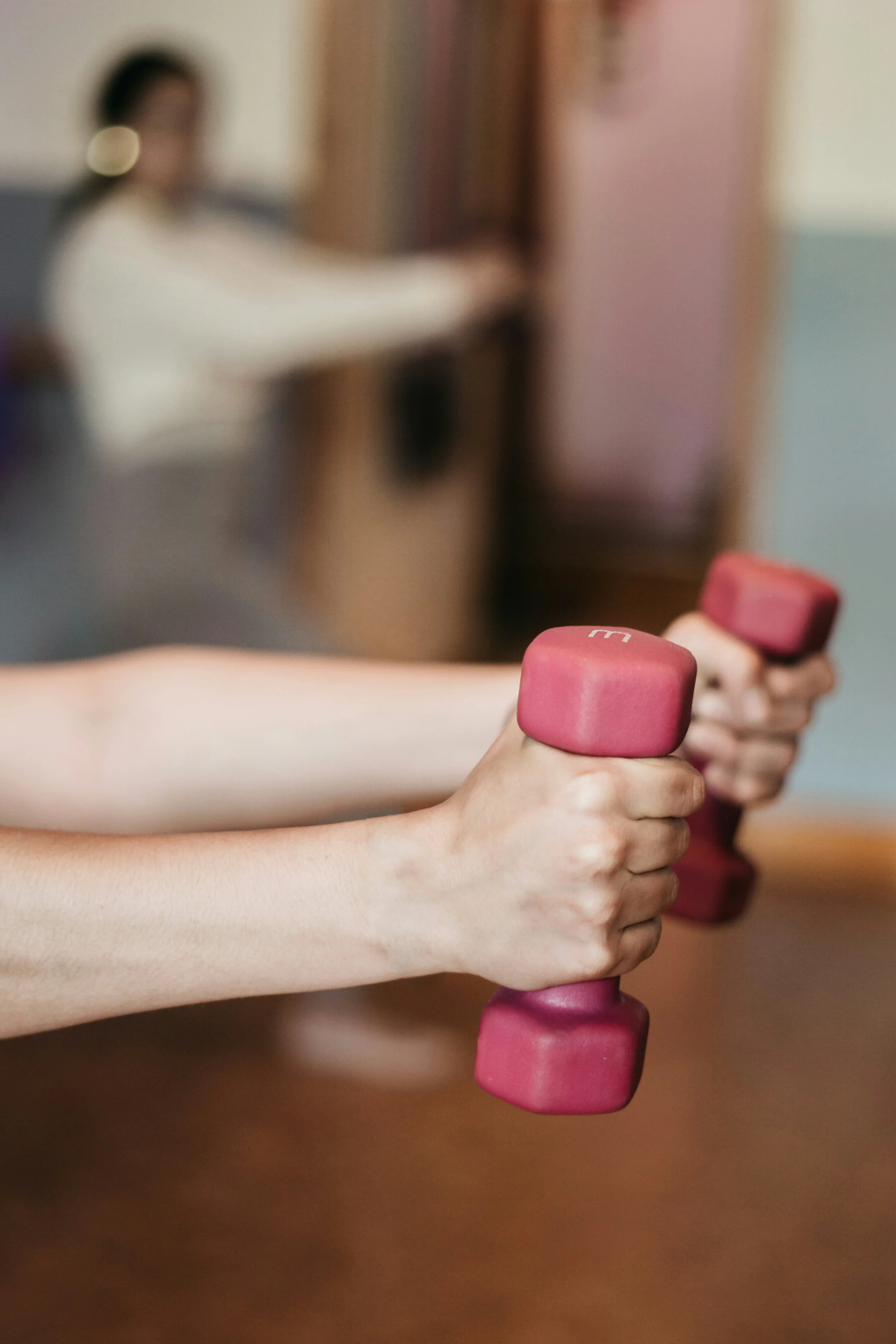
Pelvic floor muscle training can help
Pelvic floor muscle training remains one of the first-line treatments for mild and moderate prolapse. Research shows that it can improve prolapse symptoms, bladder symptoms, bowel symptoms, and quality of life.
However, pelvic floor exercises aren't simply about doing endless squeezes.
Many women are unsure whether they're contracting the correct muscles, overworking them, or coordinating them effectively during daily activities and exercise.
A pelvic health physiotherapy assessment allows us to understand exactly how your pelvic floor is functioning and create a personalised rehabilitation plan.
Every prolapse is different
Two women with the same prolapse grade can have completely different experiences.
One woman may run half marathons comfortably.
Another may notice symptoms after a short walk.
That's why generic advice found online can be frustrating. The most effective management plan is one tailored to your symptoms, goals, lifestyle, and exercise preferences.
Whether your goal is returning to the gym, lifting your children without worry, getting back to running, or simply feeling more confident in your body, there is often far more that can be done than many women realise.
You don't have to just put up with it
If you're experiencing symptoms of prolapse, leaking, pelvic heaviness, pressure, or concerns about exercise, a pelvic health physiotherapy assessment can help you understand what's happening and what options are available.
At Alma Physiotherapy, our specialist pelvic health physiotherapists provide comprehensive assessments and personalised treatment plans designed around your goals.
Because having a prolapse doesn't mean giving up the activities you love, it means finding the best way to keep doing them.
Ready to get back to exercise with confidence?
Book a Pelvic Physiotherapy Assessment through our website with any of our specialist physiotherapists. We'll help you understand your symptoms, assess your pelvic floor function, and create a plan that supports both your pelvic health and your lifestyle.